



Hi all,
Over the past year, Turan Tales has produced seven immersive audio documentaries. They earned us two nominations for the Publishers Podcast Awards, including one for Best Podcast Launch.
We took you inside a Ukrainian prison, where we met a Central Asian prisoner of war. We investigated what happened to former teachers at Gülen schools in Central Asia. We looked at the forgotten story of Eastern European Jews who survived the Holocaust in Uzbekistan. And we followed the continuing struggle of Xinjiang Kazakhs trying to escape the long arm of China.
All of these stories were made possible thanks to a grant from the International Press Institute.
We have funding for one more story. But from November onward, if we want to keep producing these audio documentaries, we’ll need your support.
These documentaries take a lot of time and resources to produce. We pay for sound design, mastering, travel and, sometimes, translation. A single episode, can easily cost around $600 and that doesn’t even include my salary.
So, starting in November, our monthly audio documentaries will be available to paid subscribers. Each documentary will have a free preview, while the full feature will be available to subscribers for $8 a month.
Our weekly show, however, will remain completely free for everyone.
If you’ve enjoyed the documentaries we’ve made so far and would like to help us continue making them, you can become a paid subscriber at turantales.substack.com/subscribe.
And whether you decide to contribute or simply keep listening to the free weekly show, thank you so much for being here and for supporting Turan Tales.
Now, when it comes to today’s story, I’ve been looking forward to this interview for a while, partly because I love theatre and partly because I love stories of brave people from Central Asia.
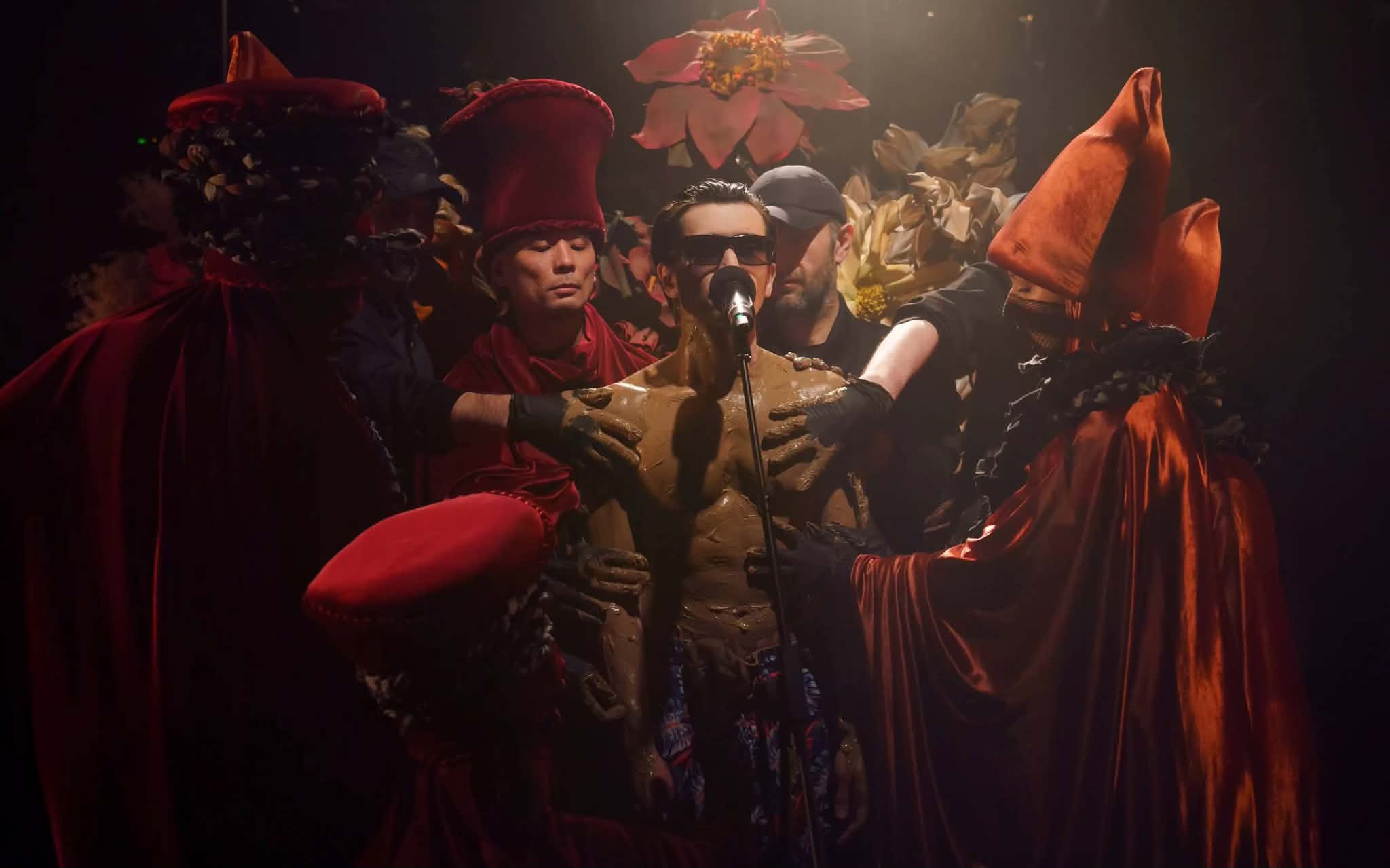
The Ilkhom Theatre, founded in 1976 by Uzbekistani theatre director Mark Weil, is an institution like no other, not only in Central Asia but far beyond it. Brave, unconventional and visionary, it has provided a space for freedom of expression and social commentary, often going against the current despite a hostile political climate.
And that spirit continued even after the tragic murder of its founder in 2007.
To talk about the Ilkhom Theatre and the legacy of Mark Weil, I’m joined by Irina Bharat, Director of International Programs at the Ilkhom Theatre since 2005.
Irina has produced a number of plays, organised IlkhomRockFest and the Laboratory of Young Directors of Central Asia, and coordinated Ilkhom’s international theatre tours to numerous international festivals.
I hope you will enjoy this one.
Have a great end of the week!
— Agnieszka


